Definition Of Renal Transplantation
The donated kidney is usually placed in the right side of the pelvis alongside the bladder and connected to the ILIAC vessels. Renal transplantation center means a hospital unit which is approved to furnish directly transplantation and other medical and surgical specialty services required for the care of the End Stage Renal Disease transplant patients including dialysis furnished directly or under arrangements.

Pin On Latest Stem Cell News
KIDNEY TRANSPLANT RECIPIENTS A CLINICAL GUIDE for Nephrology and Transplant Professionals on.

Definition of renal transplantation. The insertion of a donated kidney into the body and connection of its blood vessels to the host vessels and its ureter to the host bladder. Half-life from living donor grafts 22 yrs from. Induction Therapy Maintenance Immunosuppression Managing Adverse Effects Acute Rejection and Chronic Allograft Injury Screening and Graft Monitoring Cardiovascular Disease Cancer Infection Other Complications carDIoVascular DIsease cancer InfectIon The incidence of CVD is.
Organ transplantation is often the only treatment for end state organ failure such as liver and heart failure. ESRD is total and permanent kidney failure requiring dialysis or transplantation for survival. Most deceased donor organs come from brain dead donors.
Renal transplantation synonyms Renal transplantation pronunciation Renal transplantation translation English dictionary definition of Renal transplantation. Preemptive living donor transplantation is encouraged whenever possible. Kidney transplantation is by far the most frequently.
Poor kidney function in the first week of graft life is detrimental to the longevity of the allograft. Marginal organs can only be used after thorough assessment. A surgical procedure using a donor kidney to treat kidney failure.
During the procedure the surgeon makes an incision in the patients flank and implants the new kidney above the pelvic bone and below the non-functioning kidney by suturing the kidney artery and vein to the patients iliac artery and vein. Kidney transplantation involves the surgical attachment of a functioning kidney or graft from a donor to a patient with end-stage renal disease ESRD. Renal transplantation is the treatment of choice for patients with patients with end-stage renal disease ESRD.
Renal Transplantation 345 A good-quality organ must be guaranteed to the recipi-ent and every transplant centre must establish its own guidelines on organ acceptability. Delayed graft function DGF after renal transplantation can be diagnosed according to several different definitions complicating comparison between studies that use DGF as an endpoint. Cathode ray tube Medspeak-UK central reaction time.
The transplanted organ can come from either a live donor or deceased donor. The ureter of the new. Rēnăl transplan-tāshŭn Surgical transplantation of a kidney from a compatible donor to restore kidney function in a recipient suffering from renal failure.
PNF describes the condition in which the kidney never functions adequately after transplantation and the patient continues to need dialysis despite the transplant. Kidney transplantation is the treatment of choice in patients with end-stage renal disease or severe chronic kidney disease as it improves the quality of life and has better survival advantages compared to dialysis. Replacement of a diseased damaged or missing kidney with a donor kidney.
To transfer from one place or residence to another. Donation after cardiac death DCD is a small but rapidly growing fraction of donors. Transplantation is a preferred treatment over dialysis because of its improved outcomes.
Kidney including KidneyLiver KidneyHeart KidneyLung General Information Kidney transplantation is the treatment of choice for suitable patients with end-stage kidney disease. Replacement of a diseased damaged or missing kidney with a donor kidney. Also called a kidney transplant.
Transplantation of a kidney from a living donor or cadaver to a recipient with ESRD Indicationschildren Congenital kidneyGU tract malformations42. 31 of children were age 5 yrs Prognosis 1-yr survival of graft 94. Acute kidney injury occurs with kidney transplantation and too frequently progresses to the clinical diagnosis of delayed graft function DGF.
Also called a kidney transplant. Counsel recipients and confirm their acceptance. Challenges to understand the root cause of DGF include several pathologic contributors derived from the donor ischemic injury inflammatory signaling and recipient.
Avoiding rejection of the transplanted kidney by the recipients immune system. Donation after cardiac death DCD. Various factors merit consideration to match the donor kidney with the recipient as.
The survival rate a year after a transplant from a living related donor is over 95. By definition ECD kidneys have a 70 greater likelihood of failure compared with one from a 35-yr-old male donor who died from a motor vehicle accident. Expanded criteria donors ECD.
Although end stage renal disease patients can be treated through other renal replacement therapies kidney transplantation is generally accepted as the best treatment both for quality of life and cost effectiveness. Medical Dictionary for the Health Professions and Nursing Farlex 2012. It is defined as an estimated glomerular filtration rate less than 15 mLmin173 m.
A successful transplant frees the patient from dialysis and provides the kidneys other metabolic functions. Patients with end-stage renal failure are candidates for transplantation. To uproot and replant.
The principal problems in kidney transplantation are immunologic ie. An ECD kidney transplant recipient has a projected average added-life-years of 51 yr compared with 10 yr for a kidney recipient from a standard-criteria. A successful transplant frees the patient from dialysis and provides the kidneys other metabolic functions.
This is a particular problem after transplantation with kidneys from donation after circulatory death DCD kidneys because DGF is common and its relationship to early graft failure may differ. Focal segmental glomerulosclerosis-12 and others. Basics of Transplantation Kidney transplantation is the most effective therapy for end-stage renal disease.
Patients with end-stage renal failure are candidates for transplantation. The results of kidney transplantation are excellent with success in more than 80. Transplanted transplanting transplants v.

Toprak S Kidney Care A New Comprehensive Kidney Care For Chronic Kidney Disease Patients Chronic Kidney Disease Patient Education Renal Transplant

Kidney Transplantation Surgery Oxford International Edition
Neglecting Any Of The Warning Signs Can Lead To Severe Kidney Problems Renal Transplant Kidney Kidney Disease
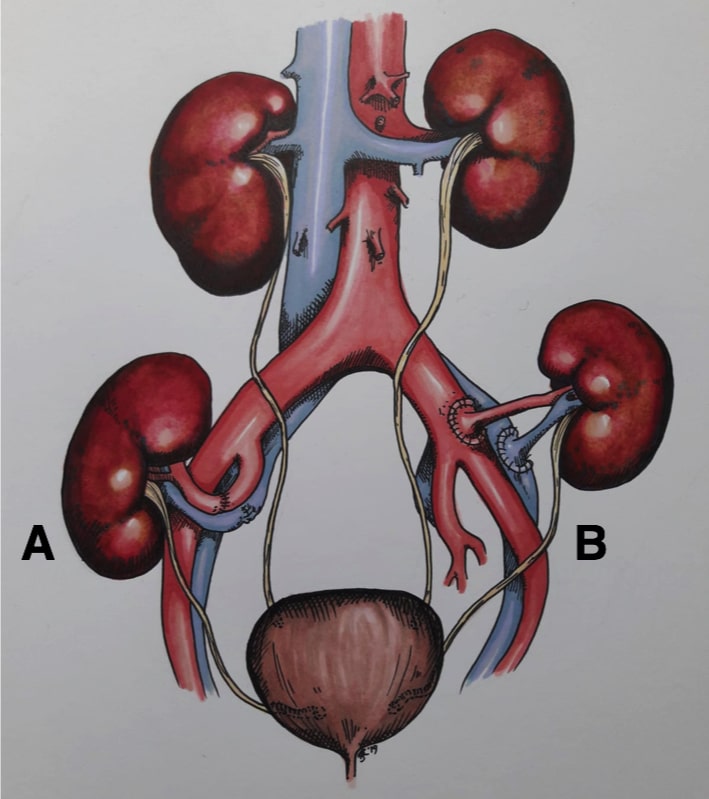
Renal Transplantation Teachmesurgery

Mechanism Of Action Of Immunosuppressive Medications In Kidney Transplantation In 2021 Renal Transplant Kidney Transplant Renal Disease

Pediatric Renal Transplant Complications Categorized By Time Of Download Table

Chronic Renal Allograft Dysfunction Chronic Progressive Loss Of Allograft Function Beginning Months Or Years After Tran Renal Chronic Chronic Kidney Disease
Renal Transplant

Kidney Transplantation Surgery Oxford International Edition

Diseased Vs Normal Kidneys Kidney Transplant Kidney Kidney Treatment

Pancreas Transplantation Categories Of Transplant Simultaneous Pancreas And Kidney Spk 80 The P Pancreas Superior Mesenteric Artery Kidney Transplant

Kidney Transplant Rejection Therapeutics Market Segmentation And Company Analysis To 2022 Kidney Transplant Rejection Market Segmentation

5 Amazing Herbal Remedies For Kidney Failure Kidney Transplant Kidney Transplant
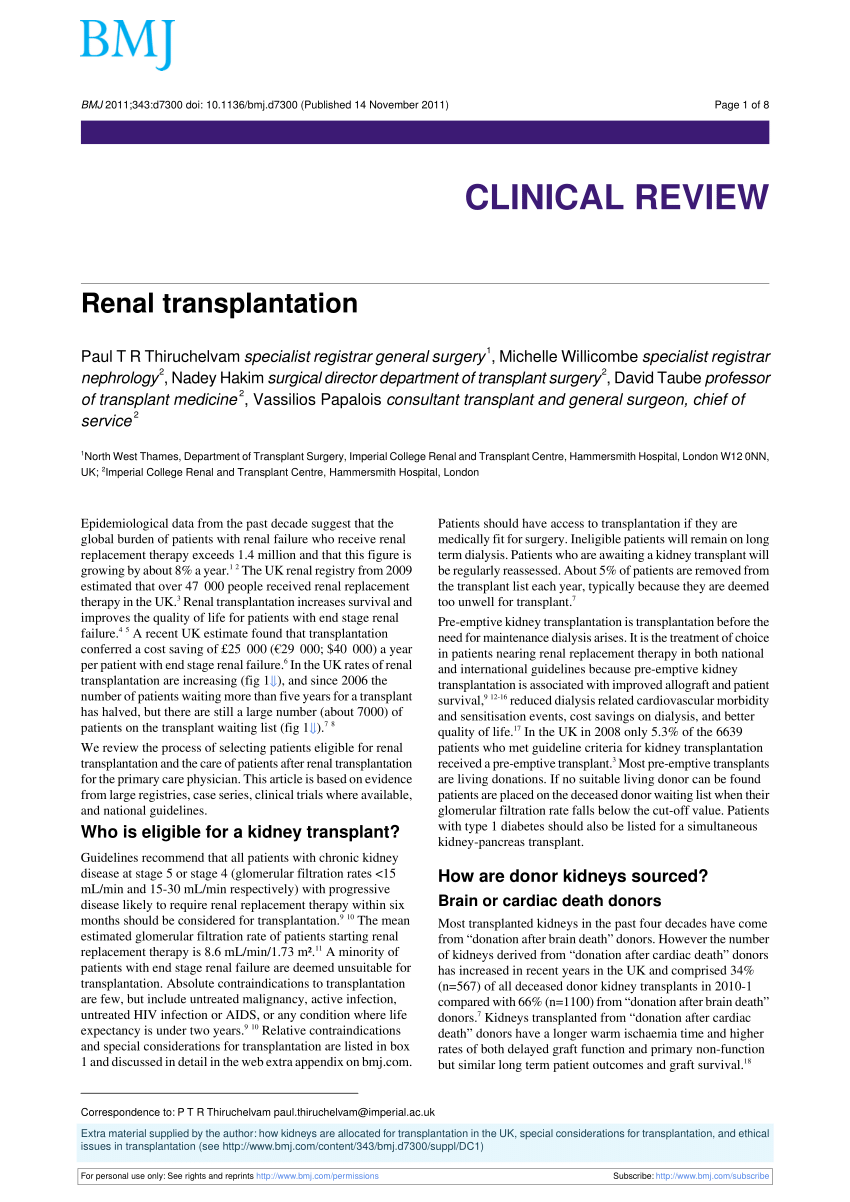
Pdf Renal Transplantation

En Bloc Kidney Transplant Kidney Transplant Sonography Kidney

Kidney Transplantation Principles And Practice Sciencedirect

Association Of Kidney Transplant Failure And Antibodies Against Mica Read By Qxmd Tibbi Biyoloji
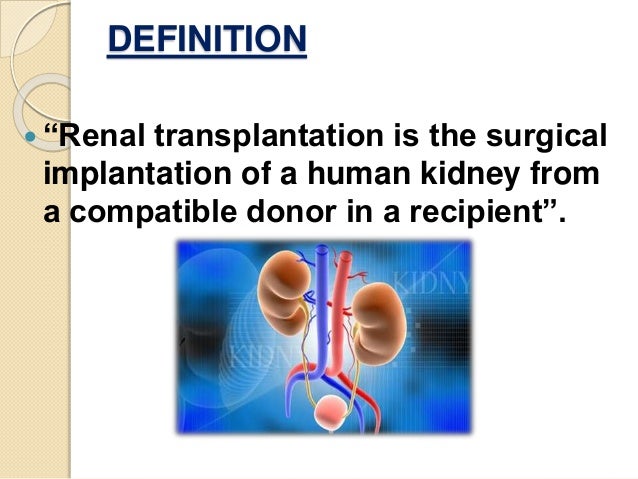
Kidney Trnaplantaion

Become A Donor Kidney Transplant Organ Donor Quotes Kidney Transplant Quotes


Posting Komentar untuk "Definition Of Renal Transplantation"