What Antibiotics Treat Perianal Abscess
Do not attempt to drain the abscess by squeezing or pressing on it. Self-Care at Home If the abscess is small less than 1 cm or less than a half-inch across applying warm compresses to the area for about 30 minutes 4 times daily may help.

Antibiotic Use In Prevention Of Anal Fistulas Following Incision And Drainage Of Anorectal Abscesses A Systematic Review And Meta Analysis The American Journal Of Surgery
Previous use of antibiotics.

What antibiotics treat perianal abscess. It inhibits bacterial growth possibly by blocking dissociation of peptidyl tRNA from ribosomes causing RNA-dependent protein synthesis to arrest. Hemostasis is achieved with manual pressure and. When the infection has spread locally to the surrounding buttock area antibiotics are prescribed to treat the skin infection.
How do you treat a perirectal abscess. Perianal abscesses are an indication for timely incision and drainage. Patients with anal abscess will be allocated randomly either to receive 7 days of oral metronidazoleciprofloxacin in addition to their.
Which antibiotic is best for perianal abscess. Treatment for perianal abscess is prompt incision and drainage which can usually be performed in the office. Antibiotics a drainage procedure.
The annual incidence of perianal abscess is estimated between 14 000 and 20 000 people in the UK resulting in about 12 500 operations in the NHS each year1 A recent Swedish cohort study estimated the incidence at 161 per 100 0002 The true incidence may be higher since many patients are treated with antibiotics in the community and some abscesses spontaneously regress or discharge2. In general the primary treatment for an abscess is drainage. The abscess can drain pus on its own and then heal without needing any other treatment.
To shorten the length of any fistula that may form the incision should be made as close to the anus as is compatible with safety. If the infection cant drain a collection of pus called an abscess may form. Patient needs hospitalisation and intravenous antibiotics like cefixime and metronidazole.
Antibiotics have a limited role in treating abscesses. Such conditions include valvular heart disease immunocompromised patients diabetic patients. Perianal abscess should be should be treated with incision and drainage apart from antibiotics.
Abscesses can be treated in a number of different ways depending on the type of abscess and how large it is. Clindamycin is widely distributed in the body without penetrating the central nervous system CNS. METHODOLOGY We designed a prospective multicentre double-blind placebo trial to analyse the clinical benefit of a course of antibiotics after perianal abscess drainage to diminish the probability of development of perianal fistula in the follow up of patients.
If the abscess is readily apparent this can be done in the office the emergency department or at an urgent care clinic. Within follow-up 4 patients required reoperation due to perianal abscess 333. Perianal Abscess Antibiotic Treatment.
Therefore antibiotic therapy is inadequate and should never be given in an attempt to avoid or delay incision and drainage. Treatment Management. The main treatment options include.
A small incision is made over the area of fluctuance. Frequently the abscess results in a fistula which is an abnormal connection between the abscess and the skin where pus drains. Focusing on patients with a minimum follow-up of 12 mo 612 or 24 mo 412 long-term healing rates were 667.
For other potentially deeper abscesses patients may need to be taken into surgery to have it drained. Symptoms of an abscess include anal or rectal pain itching swelling and fever. Ghahramani L Minaie MR Arasteh P et al.
Clindamycin is a semisynthetic antibiotic produced by 7S-chloro-substitution of the 7R-hydroxyl group of the parent compound lincomycin. Once incision and drainage are performed there is no need for antibiotic administration unless certain medical issues necessitate the use. This can lead to infection.
In the study group patients will receive oral treatment with Ciprofloxacin at a dose of 500 mg every 12 hours and Metronidazole 500 mg every 8 hours for a period of 7 daysExclusion Criteria. How is perianal abscessfistula treated. There is no blood flow into an abscess so antibiotics arent as effective on their own.
Dtsch Zahnarztl Z 1991. Preparations for the etiological treatment of paratonsillar abscess ie antibiotics for throat abscess should be active against Staphylococcus aureus Streptococcus pyogenes Klebsiella spp Proteus spp Escherichia coli. Conservative treatment of perianal abscess and fistula-in-ano has an excellent outcome and could be the first choice of treatment of these diseases.
Once a perirectal abscess has grown to a size that becomes painful the most appropriate treatment is usually surgical drainage. Antibiotics are not indicated for healthy patients with superficial abscesses. Frerich B Ehrenfeld M Cornelius CP et al.
Perianal abscess can sometimes be treated at home with Sitz baths or warm water soaks with each bowel movement or at least 2-3 times a day. Some small skin abscesses may drain naturally and get better without the need for treatment. Applying heat in the form of a warm compress such as a warm flannel may help reduce any.
Additionally perianal abscesses warrant further evaluation because they can be due to perirectal fistulas. Antibiotic therapy for prevention of fistula in-ano after incision and drainage of simple perianal abscess. Methicillin-resistant Staphylococcus aureus MRSA is rarely implicated in perianal abscesses but should be considered as a pathogen in patients who are not responding to traditional antibiotic.
Glands near the anus can become blocked. It can be both penicillin antibiotics with an extended spectrum of effects and macrolides. Antibiotic administration alone is inadequate and inappropriate.
Febrile neutropenic or diabetic patients or those with marked cellulitis should also receive antibiotics eg ciprofloxacin 500 mg IV every 12 hours and metronidazole 500 mg IV every 8 hours ampicillinsulbactam 15 g IV every 8 hours. Pus is collected and sent for culture. Risk of fistula formation was increased in patients with ischiorectal abscess odds ratio 782 or intersphincteric abscess odds ratio 335 compared with perianal abscess.
When the abscess is perianal or superficial drainage can usually be accomplished in the office or ED with local anesthesia. But antibiotics of the tetracycline group and aminoglycosides with ulcers in the throat. Complete instructions for using natural antibiotics to heal fistula or perianal abscess - both topical and syringing method using wild oregano colloidal silver etc.
A randomized single blind clinical trial. Antibiotics do not adequately penetrate abscess cavities and extension of a local infection can lead to severe local sepsis and complex long-term problems. Treatment of keratocysts in deciduous and mixed dentitions.
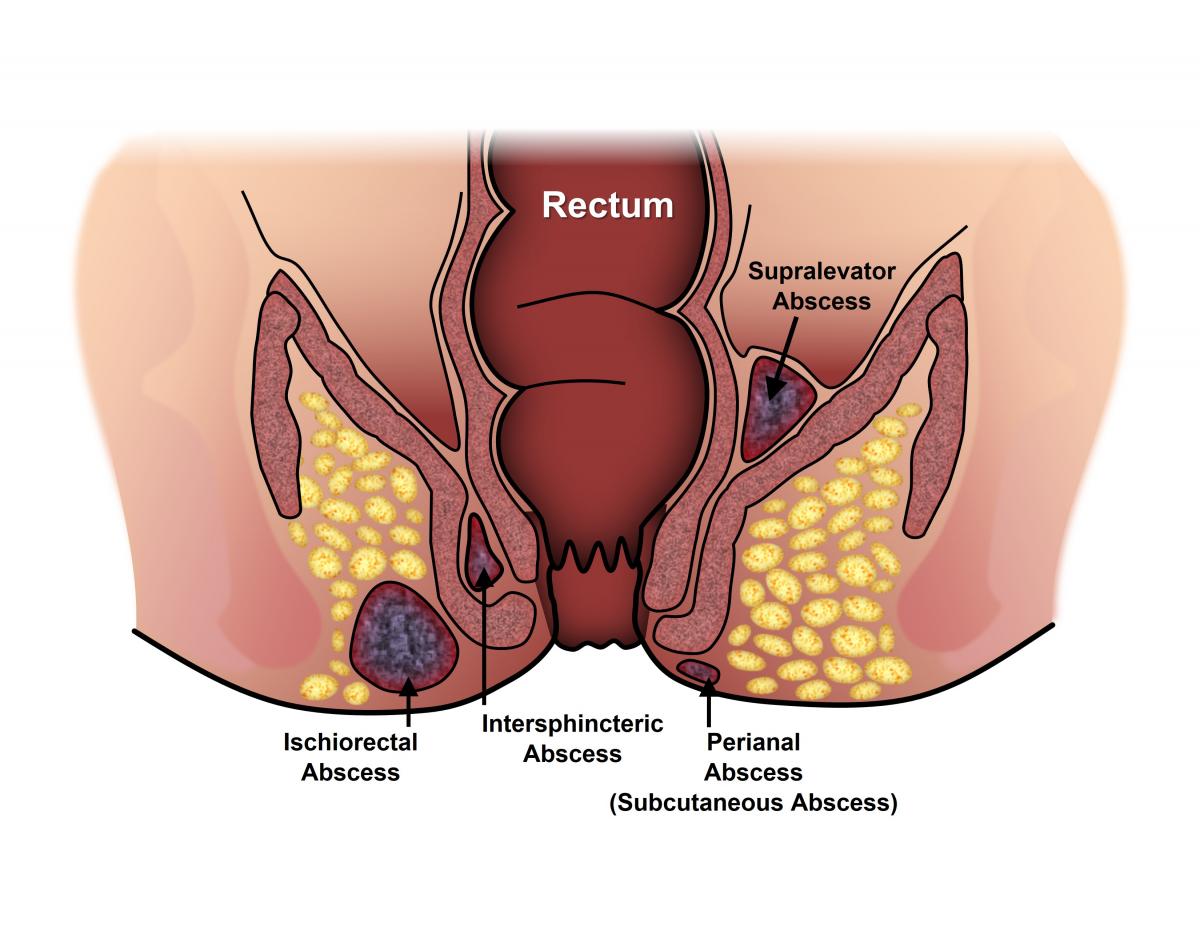
Absceso Anal Y La Fistula Ascrs

Perianal Abscess G L Surgical Clinic Dr Ganesh Ramalingam
Anal Fistula And Anorectal Sepsis Perianal Abscess Denzil May
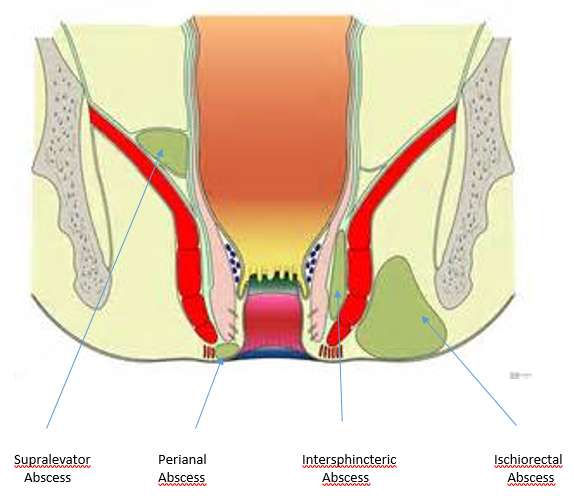

Perianal And Perirectal Abscess Concise Medical Knowledge
Anorectal Abscess Treatment Guidelines Paul E Savoca
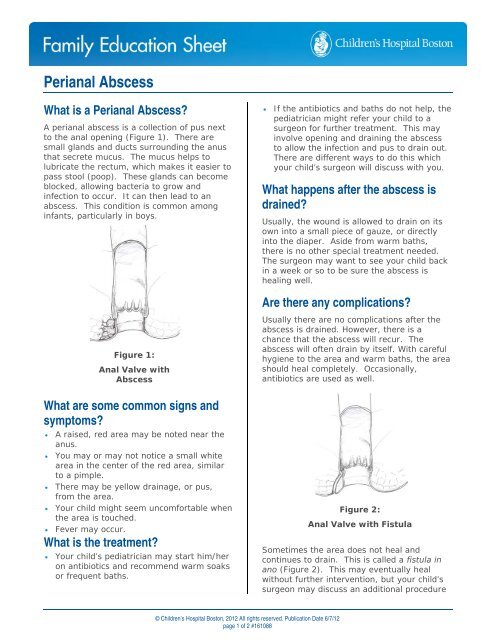
Perianal Abscess Children S Hospital Boston
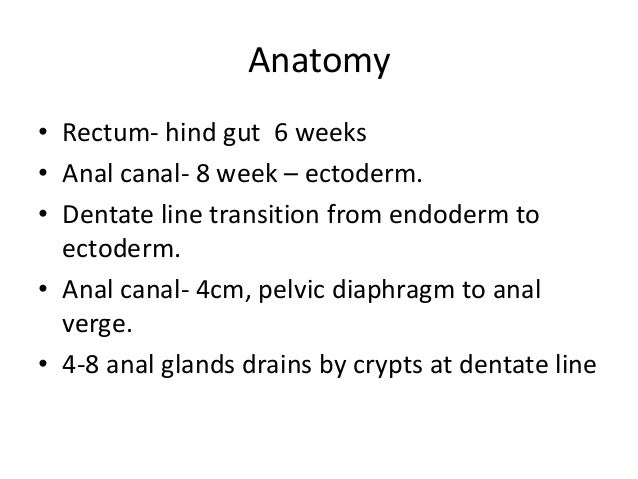
Perianal Abscess Fistula In Ano
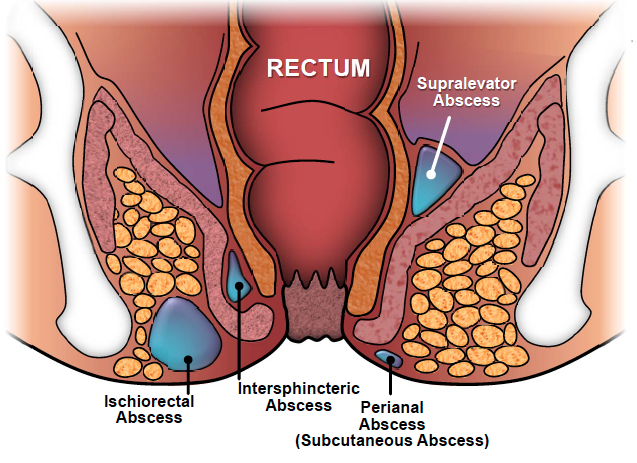
Abscess And Fistula Expanded Information Ascrs

Ibd Surgery Perianal Abscess And Fistula Youtube Surgery Ibd Ulcers
Perianal Abscess Pdf


Benign Anorectal Conditions Perianal Abscess Fistula In Ano Haemorrhoids Fissures And Pilonidal Sinus Surgery Oxford International Edition
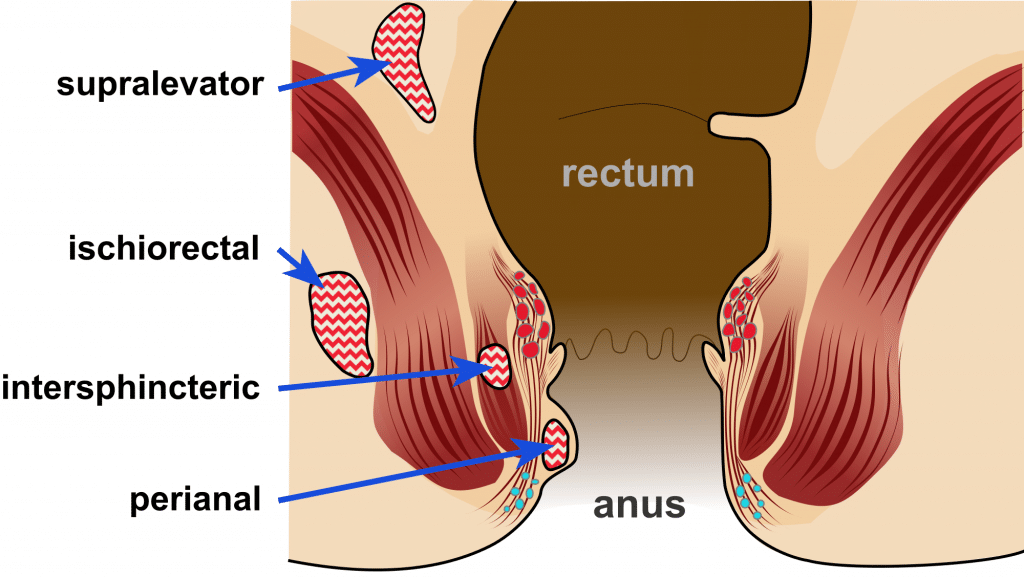
Anorectal Abscess Risk Factors Management Teachmesurgery

Department Of Surgery Perianal And Perirectal Abscess Fistula

Antibiotic Therapy For Prevention Of Fistula In Ano After Incision And Drainage Of Simple Perianal Abscess A Randomized Single Blind Clinical Trial Surgery
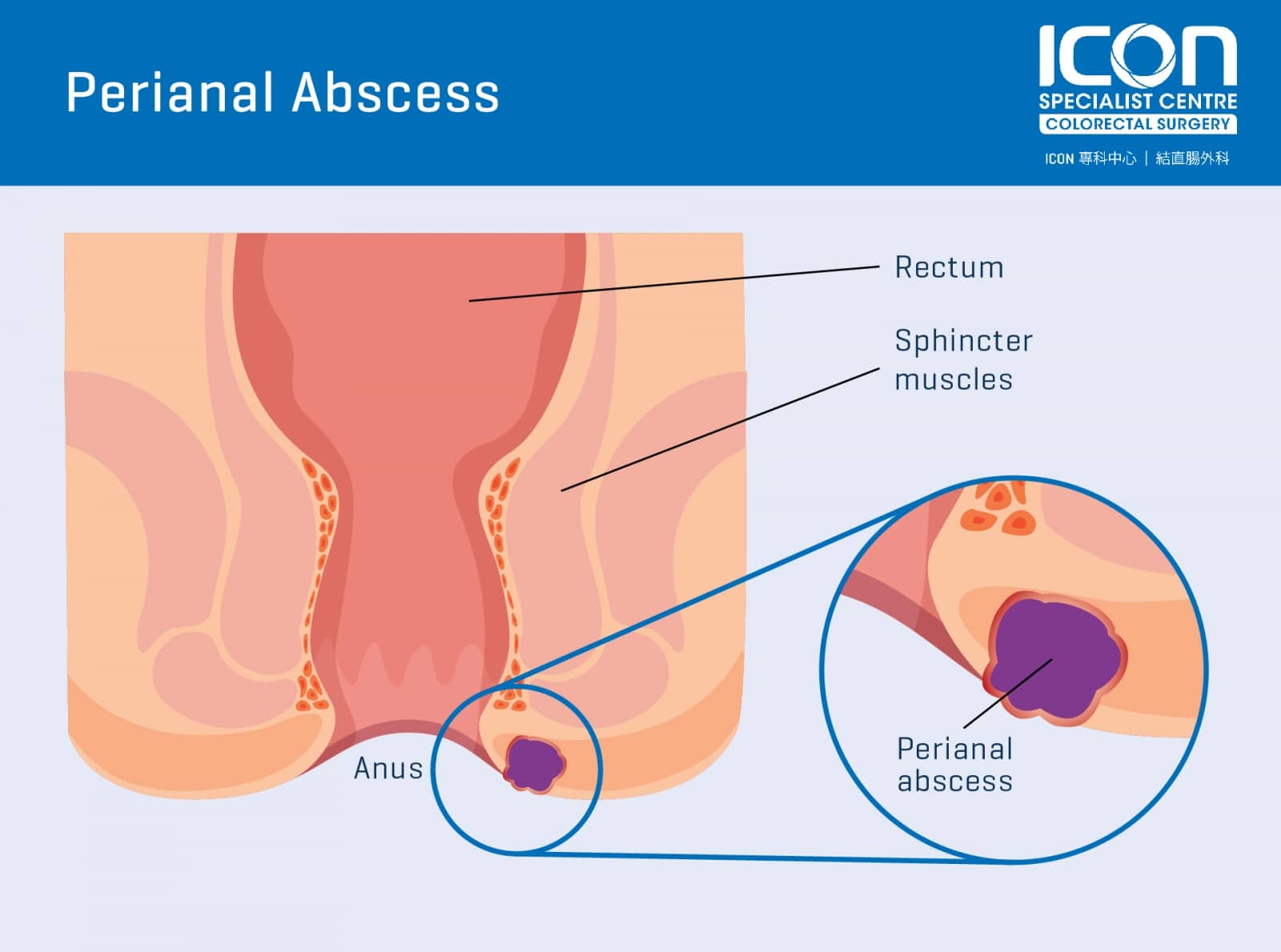
Perianal Abscess Icon Specialist Centre

Perianal Abscess Incision And Drainage Basicmedical Key

Anal Abscess And Perianal Abscess Southlake General Surgery

Pin On Kumanggis

Pin On Health


Posting Komentar untuk "What Antibiotics Treat Perianal Abscess"